

 English
 Español
 عربى
عربى

Direct Answer: Your First Decision Matters Most
The most critical factor in buying a sweeper machine is matching the equipment type to your facility's size and debris profile. A ride-on sweeper can cover over 100,000 square feet per hour, while a walk-behind model typically handles 17,000 to 40,000 square feet in the same time. Choosing the wrong type leads to either excessive idle capacity or chronic under-cleaning.
Before exploring any specific model, you must answer three core questions: What is the total cleaning area? What type of debris will the machine encounter? And will it operate indoors, outdoors, or both? These three factors determine roughly 80% of your purchasing decision, with the remaining considerations focusing on power source, filtration standards, and daily maintenance accessibility.
Three Primary Machine Types Compared
Sweeper machines fall into three categories, each built for a distinct scale of operation and environment.
Manual Push Sweepers
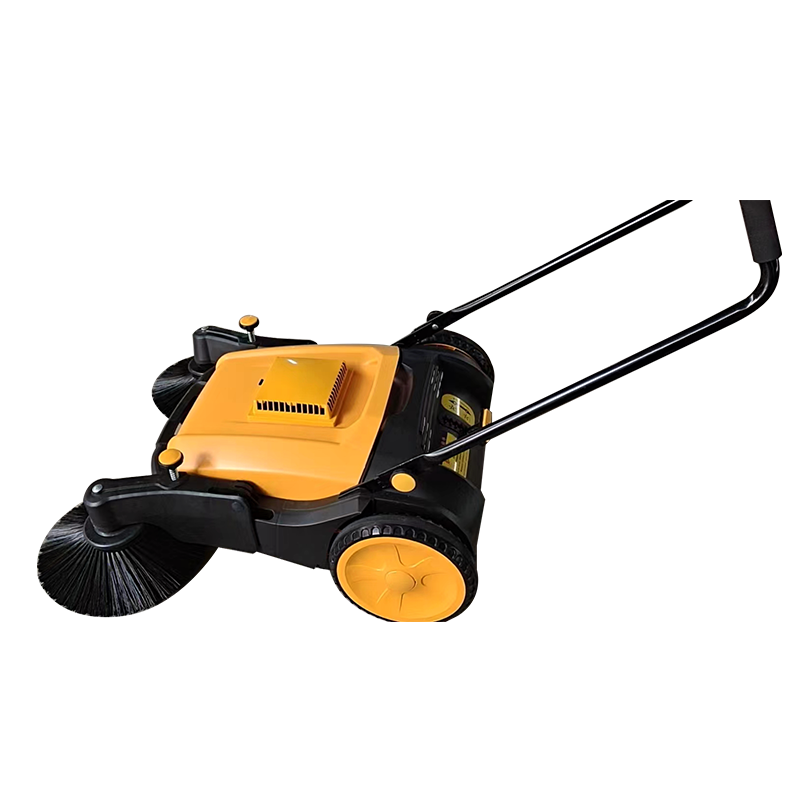
Manual units rely entirely on mechanical drive—the rotating brush connects directly to the wheels, so pushing the machine activates the cleaning action. These are the most affordable and best reserved for areas under 2,500 m². Typical cleaning widths range from 700 mm to 1,000 mm, with hopper capacities of 38 to 50 liters. Ideal applications include small warehouses, walkways, courtyards, and workshop aisles.
Walk-Behind (Pedestrian) Sweepers
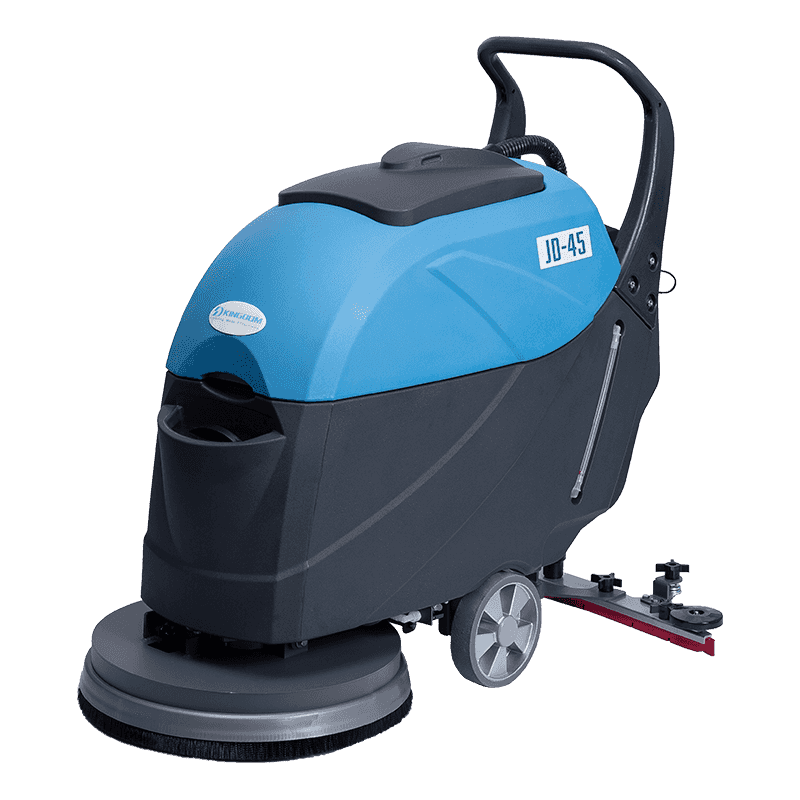
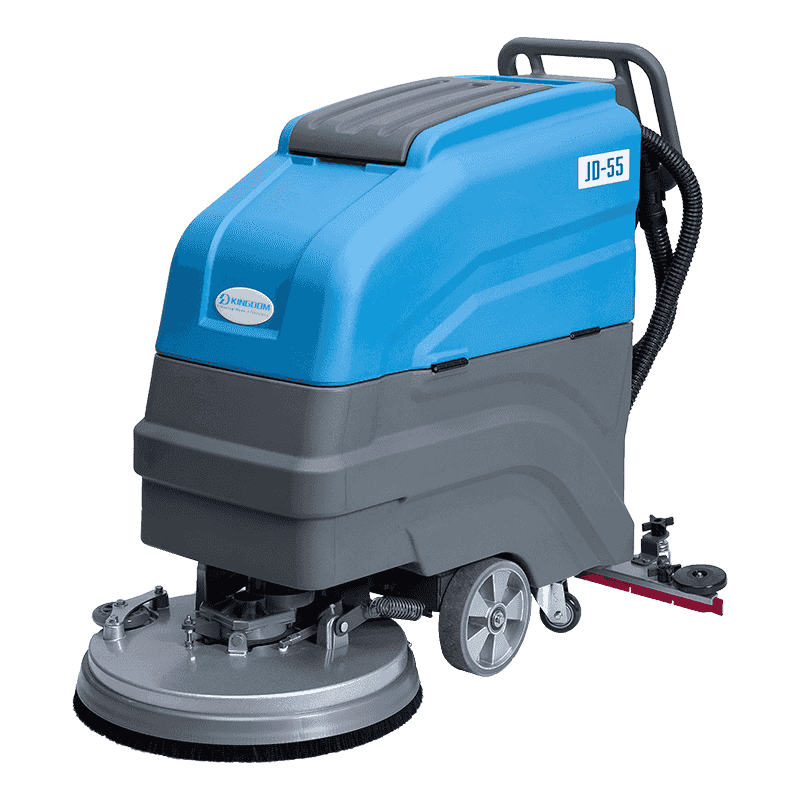
Walk-behind models feature motorized traction and brush rotation, enabling the operator to guide the machine with minimal physical effort. These suit medium-sized surfaces and offer cleaning widths up to 965 mm and hopper capacities from 8 to 20 gallons. The largest walk-behind units achieve cleaning rates of up to 40,000 square feet per hour. They are available with electric motors for indoor use or combustion engines for outdoor applications.
Ride-On Sweepers
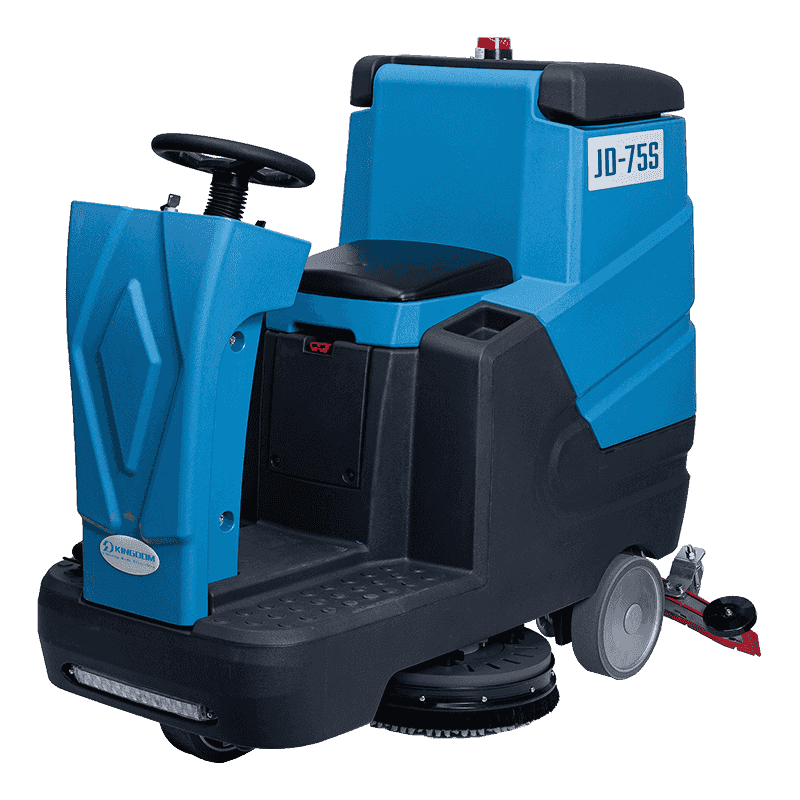
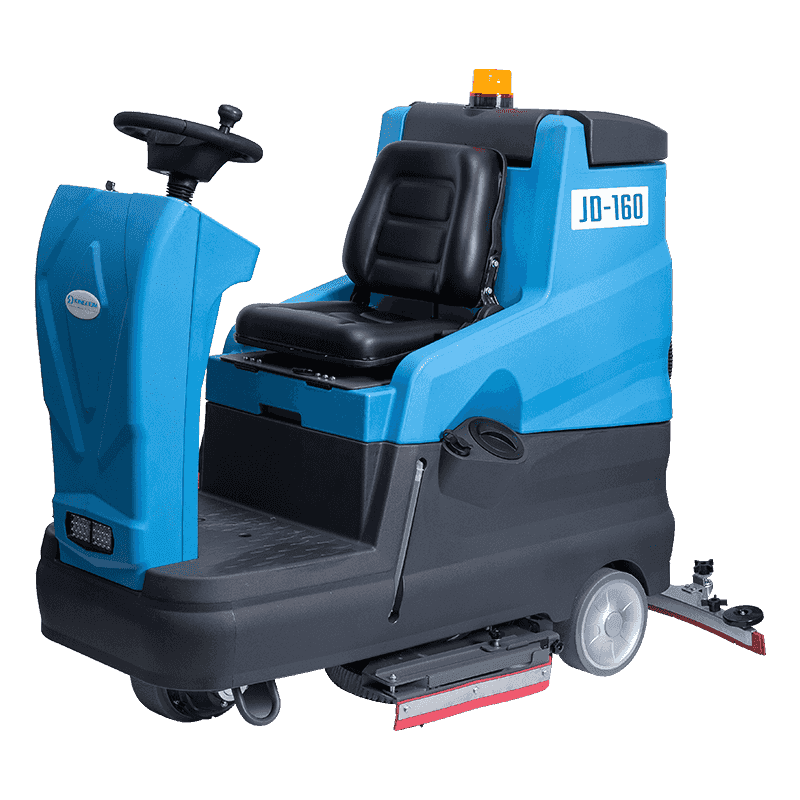
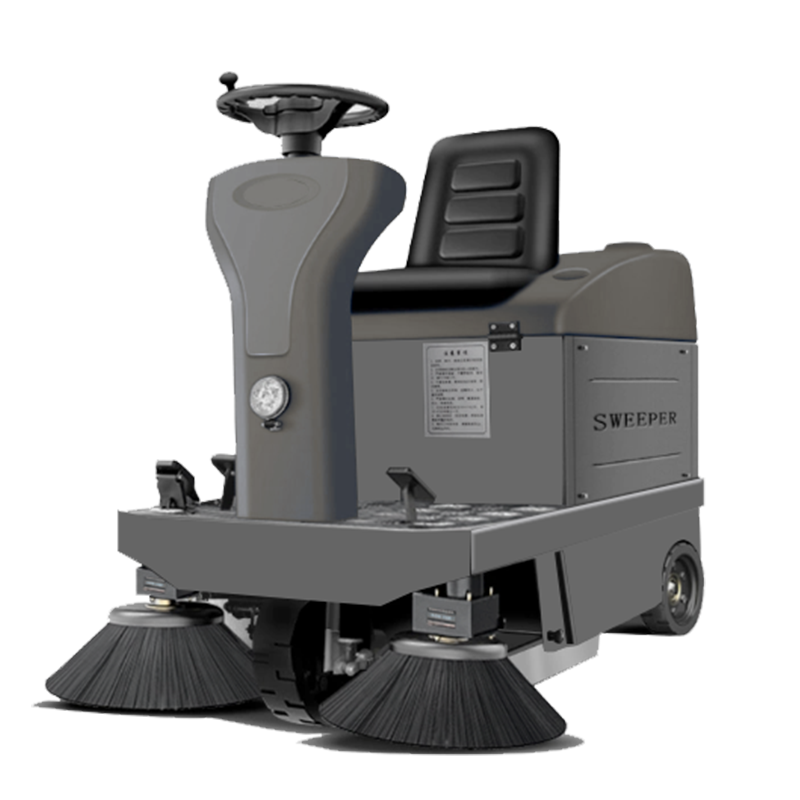
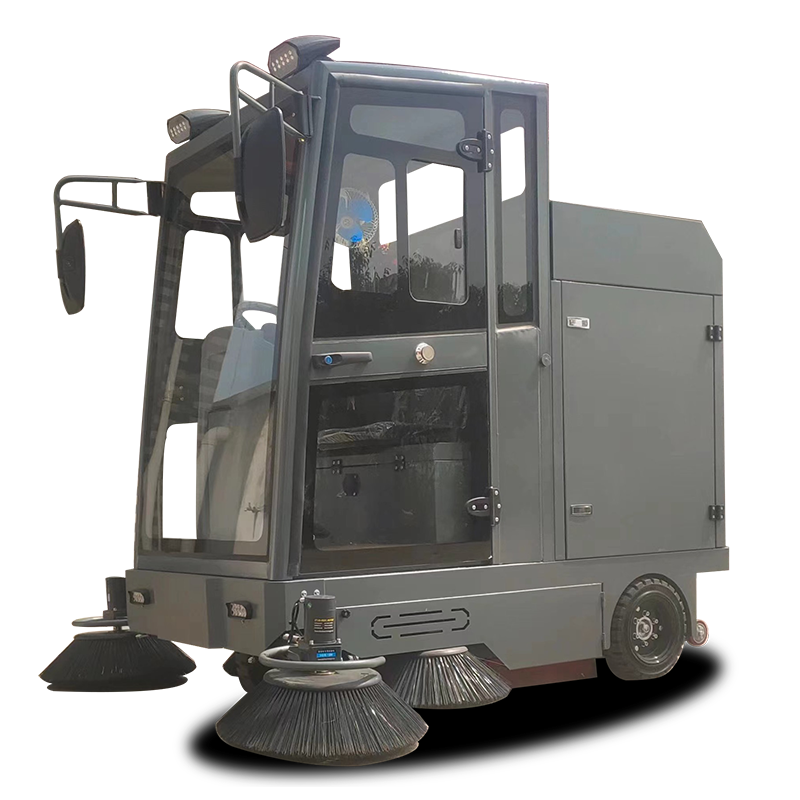
Ride-on sweepers represent the top tier in productivity, designed for large-scale operations. Operators sit on the machine and steer via controls or a steering wheel. These machines can clean up to 100,000 square feet per hour, with some models reaching over 200,000 square feet per hour. Working widths commonly span 1,000 mm to 1,380 mm, with hopper volumes exceeding 150 liters. Ride-ons are suitable for areas larger than 8,000 m².
Critical Performance Specifications to Evaluate
When comparing models, focus on these four measurable specifications that directly impact cleaning effectiveness and long-term operating costs.
Cleaning Width & Productivity Rate
Cleaning width determines the ground covered per pass. Walk-behind sweepers typically offer widths from 700 mm to 1,015 mm, while ride-on sweepers range from 1,000 mm to over 1,380 mm. Productivity rate—calculated as width multiplied by operating speed—translates directly to labor cost. Walk-behind units deliver 17,000–40,000 ft²/hour; ride-ons deliver 50,000–200,000+ ft²/hour.
Hopper Capacity & Dumping Cycle
Larger hoppers mean fewer stops for emptying, which maximizes productive cleaning time. Walk-behind sweepers offer hopper capacities of 38 to 85 liters, while ride-on models typically exceed 150 liters. Each emptying cycle takes 2 to 5 minutes; choosing a machine with a 20% larger hopper can reduce daily dumping frequency by up to 40% in high-debris environments.
Power Source and Runtime
Electric sweepers dominate indoor applications due to zero emissions and quieter operation. Battery-powered units provide continuous runtimes of 3 to 8 hours per charge, with fast-charging systems replenishing 80% capacity in 3 to 4.5 hours. Combustion engine sweepers offer unlimited runtime with refueling but produce emissions and higher noise, making them better suited for outdoor or well-ventilated areas.
Filtration and Dust Control
Effective filtration is non-negotiable for indoor air quality and operator health. Advanced multi-stage filtration captures 99.9% of particles larger than 3.5 microns. Most industrial machines feature filter-shaking systems that maintain airflow and prevent clogging. HEPA filters are available as optional upgrades for environments requiring stringent air purity standards. Without proper filtration, sweeping simply relocates dust rather than removing it.
Selection Matrix: Match the Machine to Your Environment
Use this decision framework to quickly align machine types with your facility's specific parameters.
| Facility Size | Recommended Type | Key Operational Factor |
|---|---|---|
| Under 2,500 m² | Manual or Walk-Behind | Maneuverability in tight spaces |
| 2,500 – 8,000 m² | Walk-Behind (motorized) | Balance of coverage and control |
| Over 8,000 m² | Ride-On | Maximum productivity per operator |
Debris Type Assessment
The nature of debris dictates brush selection and suction requirements. Heavy debris like stones or metal shavings requires stiff brushes with high-impact resistance. Fine dust and light litter benefit from softer brushes combined with vacuum-assisted pickup and a robust filter-shaker system. For facilities handling wet or damp debris, machines with a bypass function that prevents moisture from entering the vacuum motor are essential.
Surface Compatibility
Flooring material significantly influences brush choice. Heavy-duty stiff brushes are recommended for concrete and asphalt as they resist abrasive wear. Softer natural bristle brushes are better for polished or sensitive floors to avoid surface scratching. Using the wrong brush type can reduce cleaning efficiency by up to 30% and may void equipment warranties.
Maintenance Requirements and Total Cost of Ownership
Understanding maintenance demands before purchase prevents unexpected downtime and reduces lifetime operating costs.
Daily and Weekly Maintenance Tasks
The most frequent tasks are filter cleaning and brush inspection. A daily checklist should include: emptying the hopper, checking brushes for wear, inspecting the battery level (for electric models), and shaking out the primary filter. These routine tasks typically require 10 to 15 minutes per day. Weekly tasks include checking tire pressure, tightening fasteners, and cleaning the radiator or cooling fins on combustion models.
Critical Wear Components
Beyond daily tasks, operators must monitor fluid levels—including battery electrolyte, hydraulic fluid, and engine oil. Wrapped debris around brush hubs and drive shafts must be removed promptly to prevent bearing failure. Skipping monthly filter cleaning leads to clogged airflow, which can overheat motors and reduce battery efficiency by up to 25%. Worn brushes force the machine to work harder, increasing energy consumption and shortening overall component life.
Maintenance-Friendly Design Features
When evaluating models, prioritize those designed for serviceability. Key features include tool-free brush and filter replacement, easily accessible service panels, and clear maintenance indicators on the control panel. Machines with these design elements can reduce service time by 40% and significantly lower annual maintenance labor costs.
Decision Flowchart: Step-by-Step Selection
Follow this logical progression to narrow down your options systematically.
Industry Trends Shaping the Market
Current technological developments are rapidly transforming the sweeper machine landscape.
Electrification and Environmental Compliance
The global sweeper market is projected to grow at a compound annual rate of 4.2% to 7.3% through 2030, driven by urbanization and stringent emission regulations. Electric sweepers are witnessing the fastest adoption rate as organizations commit to carbon reduction goals and ESG compliance. Many municipalities and large facilities now mandate zero-emission cleaning equipment for indoor and urban use.
Autonomous and AI-Integrated Systems
Autonomous sweeping technology is advancing beyond simple robotic vacuums. AI-powered commercial sweepers now feature 3D LiDAR for dynamic obstacle avoidance, autonomous route optimization, and real-time coverage mapping. These systems can operate continuously with minimal human supervision, reducing labor costs by up to 50% in large-scale applications. Additionally, modern machines increasingly incorporate recyclable materials and systems that reduce water and detergent usage, aligning with global sustainability initiatives.
Final Purchasing Checklist
Before you commit to a purchase, run through this comprehensive checklist to ensure no critical factor is overlooked.
- Total cleaning area – Calculate the exact square footage requiring regular maintenance.
- Debris profile – Identify type, volume, and moisture content of materials to be collected.
- Operating environment – Determine indoor, outdoor, or mixed-use conditions.
- Available operator skill level – Assess training requirements and ease of control.
- Maintenance accessibility – Evaluate service intervals, parts availability, and service tool requirements.
- Power infrastructure – Verify electrical supply capacity or fuel storage logistics.
- Filtration standard – Match air quality requirements to filter class (e.g., HEPA vs. standard).
- Warranty and support – Review coverage duration, response times, and spare parts availability.
The most cost-effective sweeper is not the cheapest model—it is the machine that perfectly aligns with your operational profile while minimizing downtime and maintenance costs over its entire service life. A correctly selected sweeper can replace 12 to 15 manual cleaners and deliver cleaning rates 3 to 5 times faster than traditional methods, making it one of the highest-ROI investments for facilities requiring consistent, large-area cleanliness.